Research-Backed Frameworks for Setting Session Time Caps in Multi-Table Poker
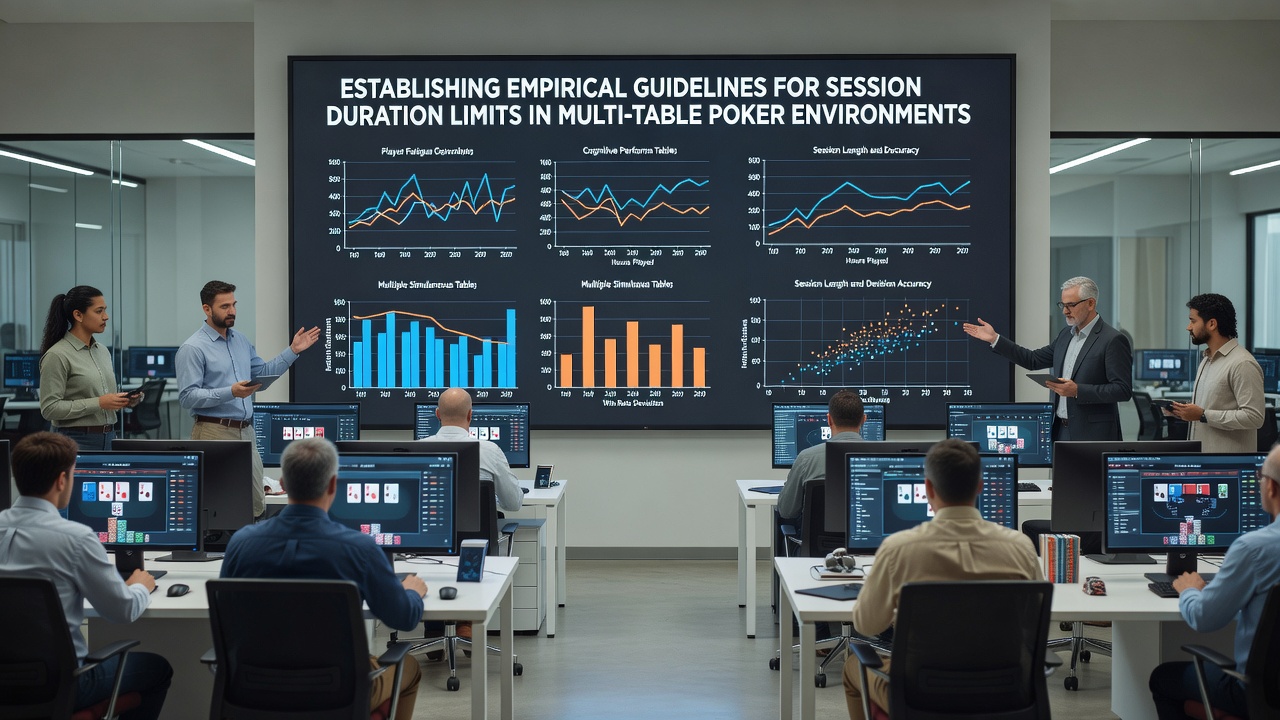
Multi-table poker environments demand precise management of time spent at the tables because cognitive load rises sharply when players juggle several games at once and researchers have tracked performance drops after extended periods of continuous play.
Tracking Performance Metrics Across Simultaneous Tables
Studies from academic institutions show that win rates per hand decline once session lengths exceed certain thresholds and data collected through tracking software reveals patterns in hand volume and decision accuracy that shift noticeably after four to six hours of multi-tabling.
Observers note that players who maintain detailed logs of their sessions often identify personal breakpoints where error rates climb and those records typically include metrics such as voluntary put money in pot frequency and aggression factor that deteriorate under prolonged mental strain.
Cognitive Load and Fatigue Patterns
Research indicates that working memory capacity limits the number of decisions a player can process effectively when facing multiple opponents across tables and experiments conducted in controlled settings demonstrate measurable increases in reaction time after roughly 300 hands in a multi-table format.
Evidence from performance analysis tools suggests that tilt indicators such as chase frequency and fold equity miscalculations rise in tandem with session duration while physiological measures like heart rate variability provide additional signals that experienced analysts use to flag declining focus.
Methods for Collecting Empirical Data
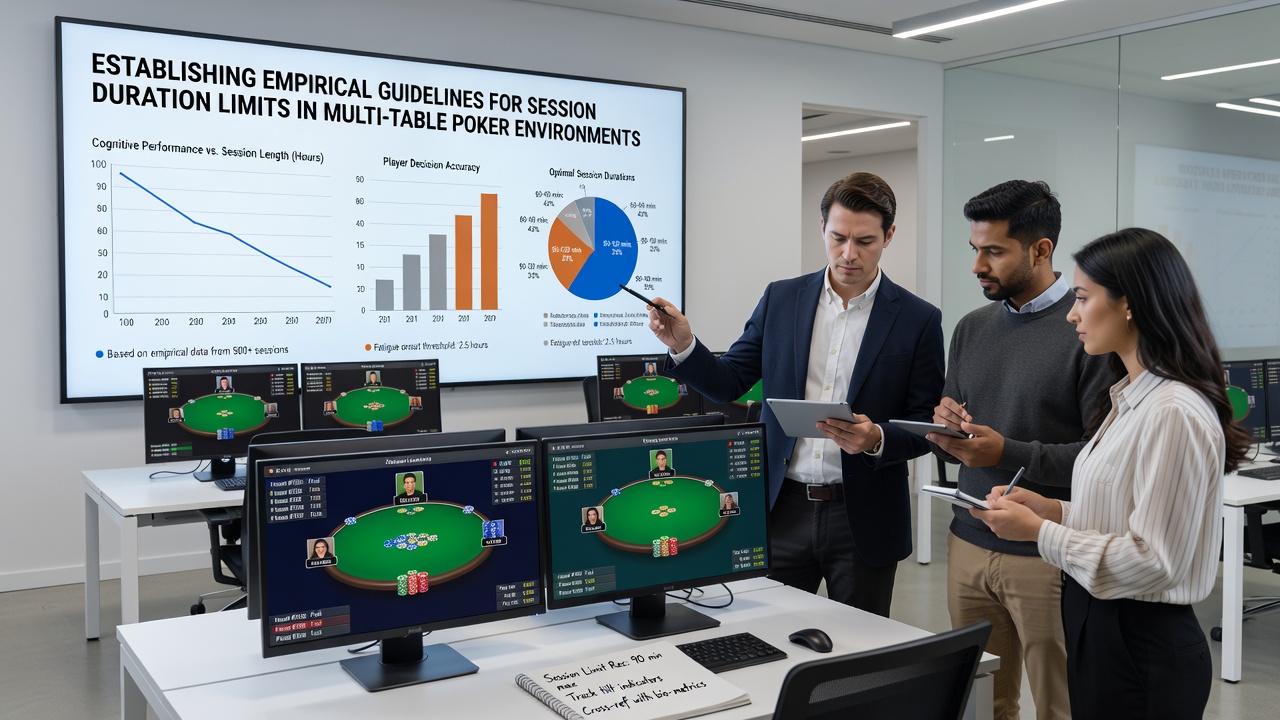
Operators and independent researchers gather information through anonymized hand histories supplied by major poker platforms and these datasets allow statisticians to correlate session length with return on investment across thousands of player records.
One approach involves segmenting sessions into hourly blocks and comparing key performance indicators within each block and findings from such analyses consistently highlight that the steepest declines occur between the fifth and seventh hour for most multi-table participants.
Proposed Guidelines Derived from Aggregated Findings
Guidelines emerging from these analyses recommend capping sessions at five hours for players handling four or more tables simultaneously although adjustments based on individual variance patterns remain essential and some protocols suggest mandatory breaks after every 200 hands to reset attention levels.
Data compiled ahead of October 2026 conferences on gaming behavior points to improved long-term profitability when players adhere to limits calibrated against their own historical results rather than generic rules and several platforms have begun integrating optional alerts that trigger when predefined thresholds are reached.
Implementation in Practice
Training programs developed by coaching organizations teach players to monitor their own metrics through built-in software features and participants report that structured limits help maintain consistency across varying stack sizes and tournament formats.
Regulatory bodies outside the UK such as the Nevada Gaming Control Board have reviewed similar session management practices in land-based card rooms and findings there align with online data showing reduced dispute rates when time management protocols are clearly communicated to patrons.
Conclusion
Establishing session duration limits through empirical methods requires ongoing analysis of performance data combined with individual adaptation and the patterns identified in large-scale studies provide a foundation for more consistent outcomes across multi-table environments.