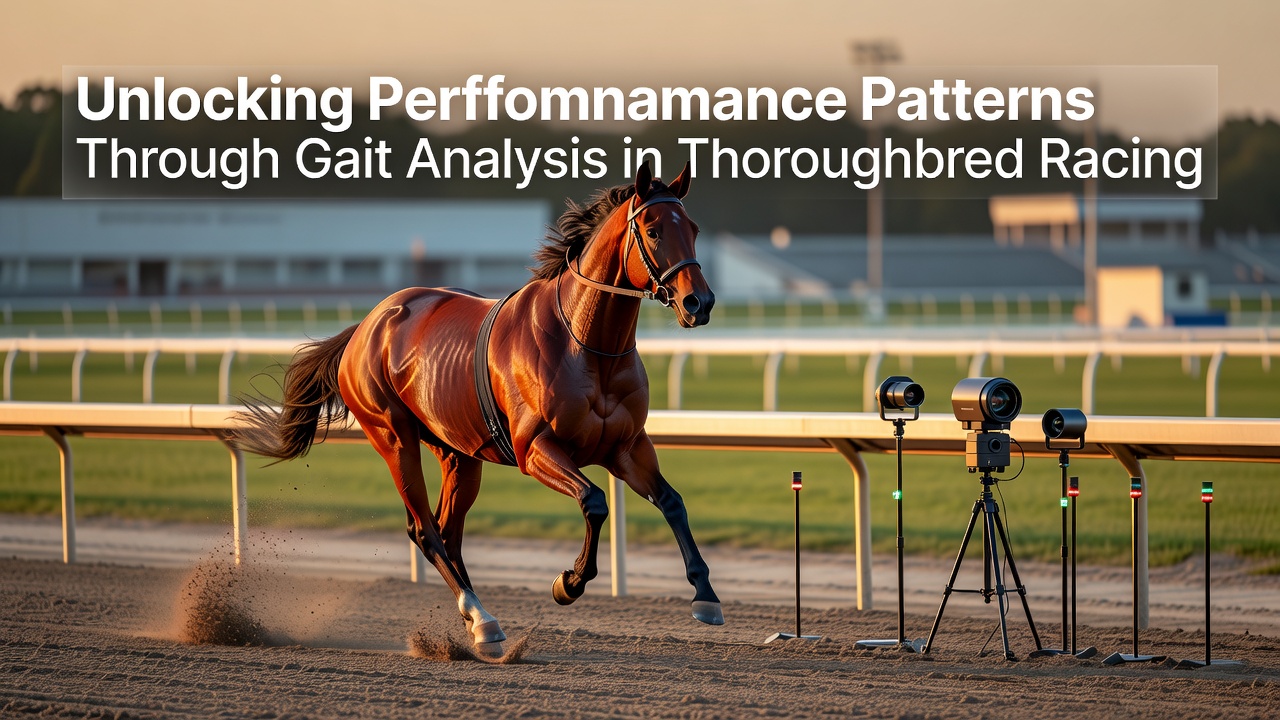
Unlocking Performance Patterns Through Gait Analysis in Thoroughbred Racing
Thoroughbred racing has long relied on speed figures and past performance charts, yet gait analysis now provides a deeper layer of data by examining how horses move at every stage of a race. Researchers measure stride length, frequency, stance time, and limb symmetry through high-speed video systems and wearable sensors, revealing patterns that traditional timing methods often miss. This approach helps trainers identify efficient movers early in a horse's career while spotting subtle irregularities that might signal future issues.
Core Elements of Equine Gait Measurement
Equine gait analysis breaks down the four-beat gallop into measurable phases, focusing on the swing phase when a limb is airborne and the stance phase when the hoof contacts the ground. Studies conducted at major research facilities show that elite thoroughbreds typically achieve stride lengths exceeding 7 meters at peak speed, with ground contact times under 0.1 seconds per stride. Data collected across multiple tracks indicates that horses maintaining consistent symmetry between left and right limbs tend to sustain higher speeds over longer distances, whereas asymmetry often correlates with compensatory movements that increase energy expenditure.
Modern systems combine optical motion capture, force plates embedded in training surfaces, and inertial measurement units attached to the horse's limbs. These tools record thousands of data points per second, allowing analysts to build individual biomechanical profiles for each animal. Observers note that such profiles become particularly valuable when comparing a horse's gait before and after changes in training regimens or surface types.
Integration with Training and Race Preparation
Trainers increasingly incorporate gait data into daily routines, adjusting workout distances and intensities based on how a horse distributes its stride across different track conditions. For instance, one study from an Australian equine research center found that horses trained on synthetic surfaces developed more even footfall patterns than those restricted to dirt tracks, leading to measurable improvements in race-day consistency. The same research highlighted that early detection of stride shortening allowed intervention before minor discomfort developed into career-threatening injuries.
Recent Technological Advances and 2026 Developments
By August 2026 several racing jurisdictions had begun pilot programs that feed real-time gait metrics into centralized databases shared among trainers and veterinarians. These systems use machine learning algorithms to flag deviations from a horse's established baseline within minutes of a workout. European racing authorities reported that participating stables reduced lost training days due to lameness by approximately 18 percent during the first six months of implementation, according to industry reports from the International Federation of Horseracing Authorities.
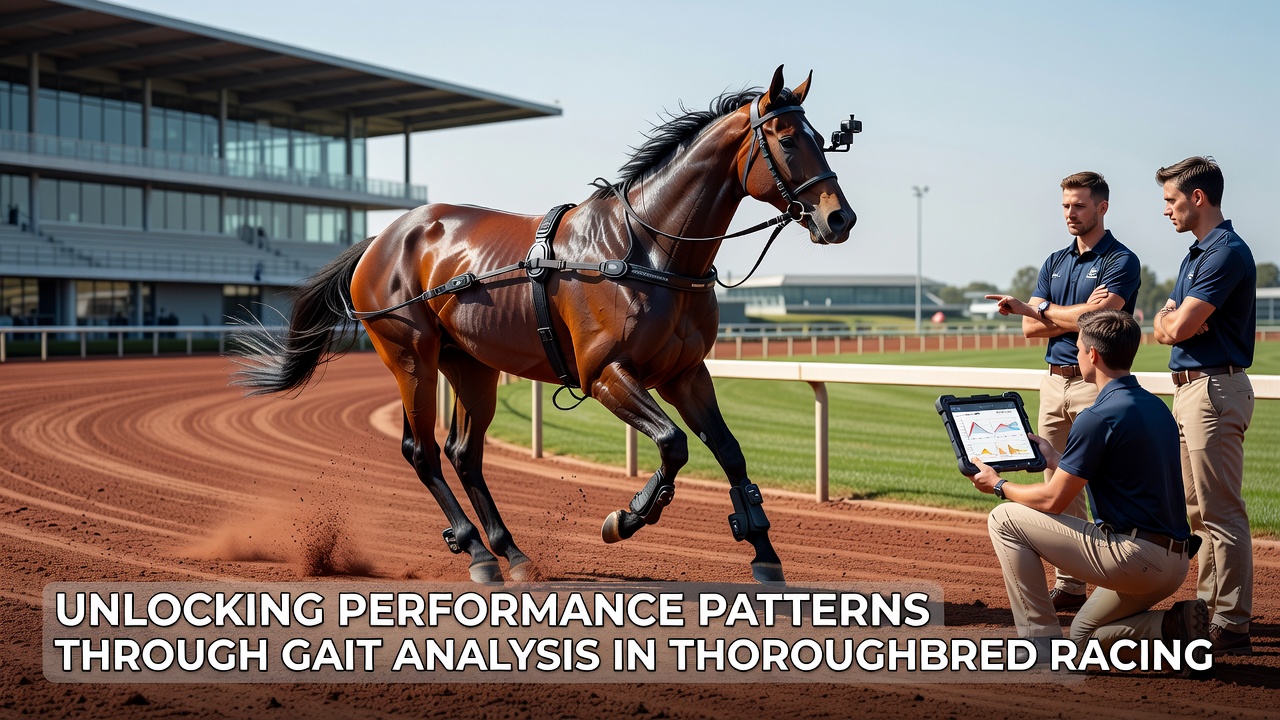
Portable sensor technology has also advanced, allowing measurements during actual races rather than only in controlled training environments. Lightweight devices now transmit stride data via wireless networks without interfering with the horse's natural movement. Analysts at several North American tracks have started cross-referencing these race-captured metrics with historical video footage, creating comprehensive libraries that help predict how individual horses might respond to pace scenarios or track biases.
Applications in Injury Prevention
Gait analysis excels at identifying compensatory patterns that precede clinical signs of injury. When one limb shows reduced range of motion, the opposite limb often increases its load, creating a cycle that elevates risk of tendon or joint strain. Veterinary teams using these insights have documented earlier interventions, such as targeted physiotherapy or modified shoeing, that restore balanced movement before problems escalate. Research published through university equine programs demonstrates that horses monitored with regular gait assessments experience fewer catastrophic breakdowns compared with those evaluated through visual observation alone.
Track surfaces themselves receive evaluation through gait studies, since different cushioning levels alter stance times and impact forces. Facilities that adjust maintenance protocols based on biomechanical feedback report more uniform track conditions, which in turn produce more predictable performance data across racing seasons.
Conclusion
Gait analysis continues to expand the toolkit available to thoroughbred racing professionals by translating complex movement data into actionable insights. As sensor technology becomes more accessible and databases grow richer, trainers and veterinarians gain clearer pictures of how individual horses achieve and maintain peak performance. The patterns uncovered through these methods support both competitive success and long-term equine welfare across the sport.